Building the Outstanding Custom Produce Boxes: A Methodical Tutorial
Constructing custom produce boxes needs a strategic approach. Specialists must evaluate sustainability, practicality, and visual appeal. Picking the suitable materials is crucial for maintaining freshness and advancing learn here environmentally conscious practices. Additionally, size and configuration can significantly influence ease of use and shipping effectiveness. Effective visual elements enhance company recognition, while thorough testing ensures strength. Grasping these elements will reveal key insights into creating standout container solutions that appeal to customers. What comes next is fundamental to accomplishing those targets.
Determining the Best Options for Custom Produce Boxes
When picking materials for custom produce boxes, it is critical to assess both operational performance and sustainability. The choice of material considerably influences the box's resilience, weight, and function to preserve the contents. Common materials feature corrugated cardboard, which supplies strength and is recyclable, making it a preferred choice for eco-conscious businesses. Biodegradable options, such as molded pulp or plant-based plastics, also embrace eco-friendly practices while offering sufficient protection for delicate produce.
Moreover, moisture resistance is necessary for keeping quality consistent, driving some producers to assess enhanced substances or specialized coatings. The aesthetic appeal of the box cannot be dismissed, since brand positioning and graphical elements can shape buyer perspective. Ultimately, the appropriate material should balance between maintaining product integrity, engaging consumers, and meeting ecological requirements, confirming that performance and sustainable practices are emphasized within the design process.
How to Decide on Size and Shape for Effectiveness?
When opting for the form and dimensions of custom produce boxes, careful assessment of produce dimensions is essential for proper storage. Additionally, attention to movement and transportation can affect the box design, ensuring ease of movement. Maximizing storage space utilization further enhances functionality, enabling efficient display and storage.
Review Produce Dimensions With Care
Assessing the right form and capacity for produce containers is fundamental for workflow efficiency. Accurate assessment of product dimensions is indispensable, as it validates that items fit firmly without surplus room that could lead to damage during storage or transport. Custom boxes need to support assorted configurations, from delicate berries to heavy vegetables, while sustaining structural integrity. Furthermore, the height and width of the boxes should facilitate organized stacking and inventory management, making full use of space in storage facilities. A well-designed box not only shields the produce but also enhances visual appeal for buyers. To sum up, careful consideration of dimensions contributes to minimizing losses and advancing overall user experience in the product supply chain.
Consider Handling and Transport
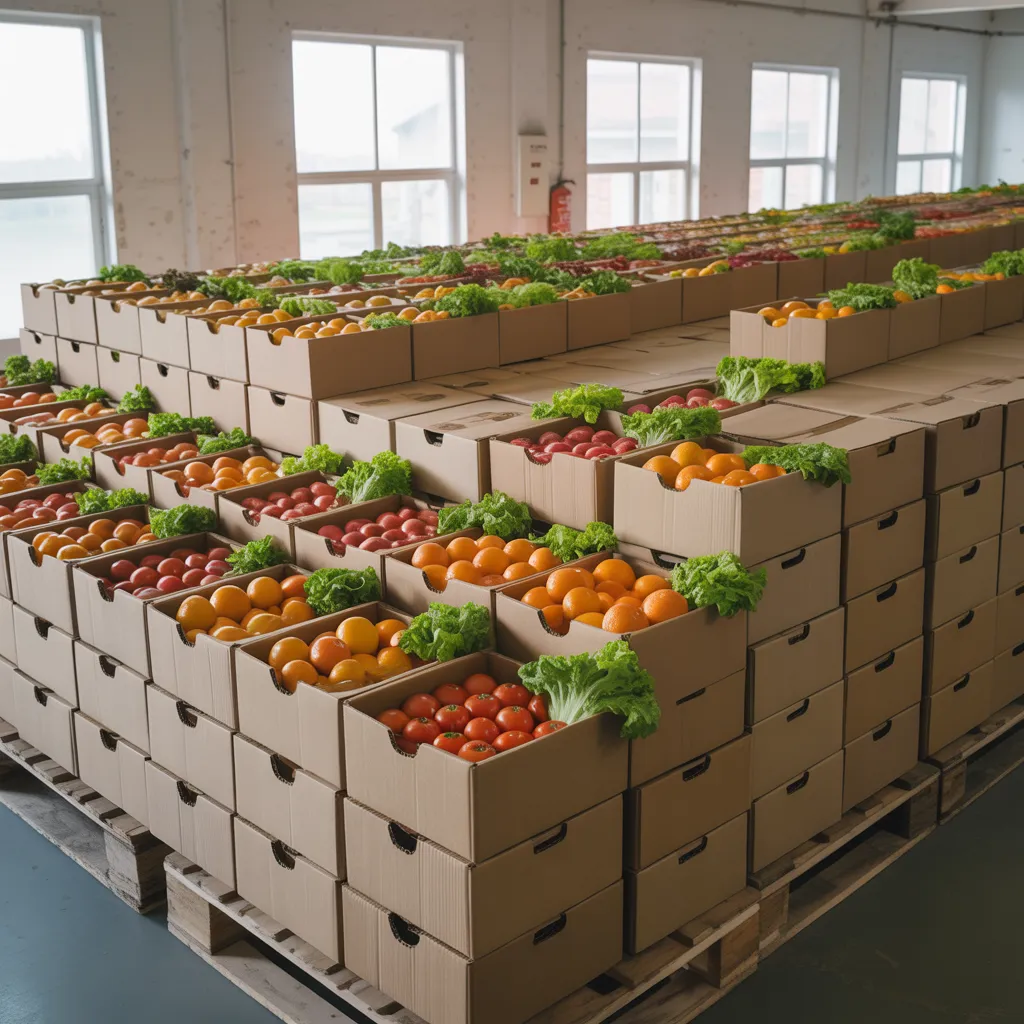
Handling and transport considerations have a major role in defining the appropriate size and configuration of custom produce containers. The dimensions need to contain the items without unneeded area, which might lead to movement and damage in transit. Smaller, compact boxes facilitate simpler handling, whereas larger boxes may be necessary for larger items. Additionally, thoughtful design is essential; grip points or access should get deliberately placed to enable easy hoisting plus carrying. The form relating to the box equally affects arrangement with steadiness, ensuring that products stay intact. Ultimately, thorough thought regarding these factors strengthens the productivity of shipping, decreases product waste, and supports the overall soundness concerning the fresh goods beginning at field to consumer.
Improve Retail Space Management
Maximizing shelving performance is contingent upon choosing the correct proportions and design of specialized agricultural containers. Design teams should evaluate the size specifications of the shelving units as well as the types of produce being placed. Straight-edged boxes often boost space efficiency, facilitating for more straightforward stacking and alignment. Alternatively, unusual shapes can heighten visual appeal but may create lost capacity if not properly structured.
It's important to examine the product rotation speed; fast-selling items might leverage smaller, conveniently positioned containers. In addition, applying adaptable or modular frameworks can support multiple sizes of produce while enhancing shelf arrangement. By stressing practical design with visual appeal, organizations can construct a practical and eye-catching presentation that improves both accessibility and visibility of goods.
How to Build Graphics That Command Attention?
Impactful designs can transform a simple custom produce box into a visual masterpiece that captures attention. To succeed this, creative professionals should begin by choosing a color mix that reflects the freshness and vibrancy of the produce. Bright, visually striking colors can stir emotions of freshness and fitness, driving consumers to take a extended glance.
Strong typefaces is also essential; readable typefaces can adeptly convey essential information while amplifying design value. Additionally, using high-quality images of the produce can establish instant connection, showcasing the product's quality and engaging prospective purchasers.
Furthermore, adding distinctive designs and visuals can help distinguish the brand in a crowded market. Consistency in visual components, such as logos and taglines, strengthens brand identity. Ultimately, a blend of innovation and precision in visual design can greatly enhance the impact of custom produce boxes, making them stand out on shelves.
Eco-Friendly Practices for Custom Produce Box Wrapping
A surging number of businesses are taking up eco-friendly standards for custom produce box packaging, appreciating its importance in today's environmentally conscious market. These practices often incorporate the use of degradable materials, such as recycled paper and plant-based plastics, which minimize environmental impact. Companies are also focusing on sustainable sourcing, ensuring that materials are obtained from responsibly managed forests or suppliers who copyright environmental stewardship.
In turn, numerous brands are choosing understated formats that minimize waste while still effectively displaying their products. This approach not only appeals to eco-conscious consumers but also helps in reducing production costs. Moreover, businesses are steadily adopting effective manufacturing processes that minimize energy consumption and waste generation. By incorporating these eco-friendly practices, companies not only improve their brand image but also contribute positively to the planet, positioning their operations with a sustainable future.
Assess Your Bespoke Produce Box Format
Evaluating the design of tailored packaging containers is a critical component in ensuring they fulfill both aesthetic and functional requirements. This approach commonly involves examining aspects including toughness, measurements, and usability. First, prototypes should be made to test the container's mechanical strength, confirming it can withstand transportation and storage without weakening the goods.
Subsequently, functional tests can be initiated to determine how easily the boxes can be pried open, closed, and positioned. Remarks from end users can be vital in this stage, imparting insights into the box's practical value.
Furthermore, the aesthetic quality of the design should be tested through focus groups or surveys, gauging consumer reactions to branding elements, color schemes, and overall presentation.
Ultimately, comprehensive evaluation enables designers to refine the box, ensuring it not only attracts customers but also effectively protects and presents the produce within, achieving the right equilibrium between form and function.
Promoting Your Tailored Produce Boxes Effectively
Effective marketing of custom vegetable containers requires a well-planned strategy that stresses their unique features and benefits. Organizations should focus on determining their intended customers, such as local farms, grocery stores, or individual consumers. Harnessing social media platforms can amplify brand awareness, displaying the boxes' appearance and functionality through compelling visuals and storytelling.
Furthermore, working alongside local influencers or farmers can strengthen reputation and widen market presence. Introducing offers or price reductions during seasonal peaks can bring in new clients and stimulate customer loyalty.
Furthermore, emphasizing environmental sustainability and green values in marketing materials can engage environmentally conscious consumers. Presenting detailed information about material sources and the advantages of bespoke packaging designs can further set apart the brand in a competitive market.
In the end, a thorough marketing strategy that integrates online and neighborhood-level programs will successfully promote custom produce boxes, attracting a mixed clientele and driving sales.
Frequently Requested Questions
What Charges Accompany Custom Produce Box Planning?
Charges concerning custom produce box design contain materials needed, print production, work hours, and freight. Also, design consultation and minimum order quantities can modify total costs, bringing about different pricing structures based on unique needs and production size.
How much time Does It Take to Create Personalized Boxes?
The production of custom boxes generally takes between two to six weeks. Elements affecting this timeline consist of design complexity, materials availability, and manufacturing capacity, all of which may impact delivery schedules and lead times.
Can I Purchase a Small Quantity of Made-to-Order Produce Boxes?
Yes, limited amounts of custom produce boxes can generally be ordered. Many suppliers offer baseline order amounts, permitting organizations or people to procure personalized packaging options without having to dedicate to large amounts initially.
Which Typical Missteps Should Be Avoided in Custom Box Design?
Typical errors in custom box layout encompass neglecting functionality, disregarding brand consistency, underestimating material quality, not considering target audience preferences, and disregarding environmental impact. Each aspect is essential for successful packaging and customer satisfaction.
How Do I Guarantee My Boxes Are Safe for Food?
To ensure boxes are safe for food, one must choose substances certified for food contact, avoid dangerous inks and adhesives, keep cleanliness during production, and frequently check for compliance with health regulations and safety standards.
Comments on “Choose Cardboard Boxes for Fruit and Vegetables for Safe Transportation”